
Introduction
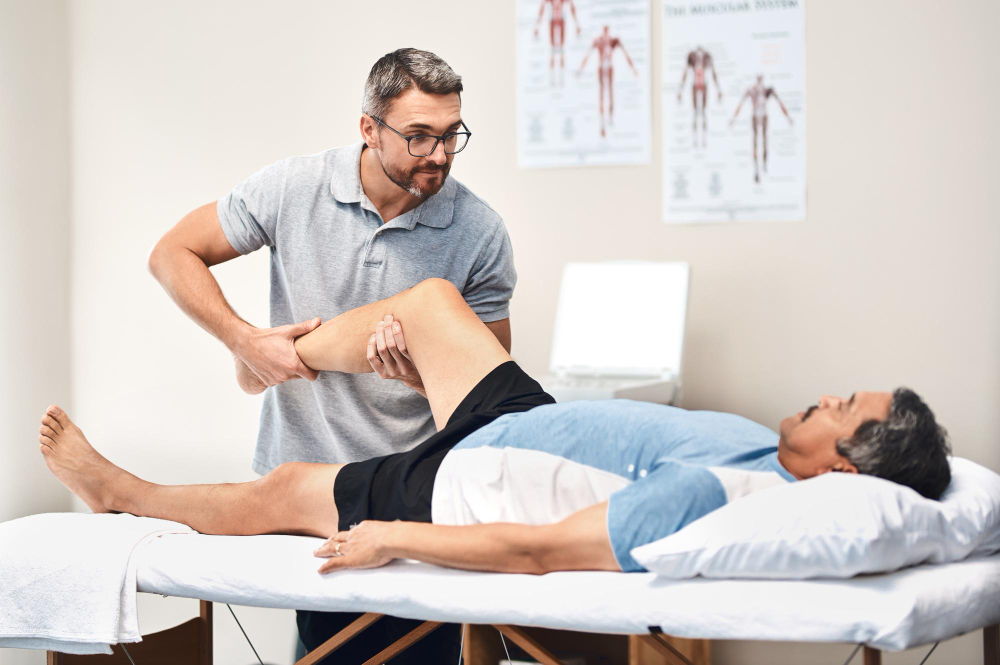
Hip pain is a common problem that can affect people of all ages. Many people experience hip pain due to injury, overuse, or health conditions. In fact, studies show hip pain is a leading cause of reduced movement in adults. Physiotherapy for hip pain is often recommended to help manage symptoms and improve daily life. Because physiotherapy uses movement and gentle exercises, it can help reduce pain and restore strength. For many, this approach is safe and effective.
Common Causes of Hip Pain
There are several reasons why someone might feel pain in the hip. Understanding the cause is important for choosing the right hip pain treatment. Below are some of the most common causes:
Symptoms Associated with Hip Pain
Hip pain can feel different for each person. Sometimes, the pain is sharp. Other times, it is dull or achy. In many cases, pain may spread to the thigh, groin, or buttocks. Some people notice swelling, warmth, or redness near the hip. In addition, walking, standing, or moving the leg might become hard. For some, hip pain gets worse after sitting for a long time. If you notice sudden swelling or cannot move your hip, seek medical help right away.
Diagnosis of Hip Pain
Healthcare professionals use several steps to find the cause of hip pain. First, they ask about your symptoms and health history. Next, they check how you move your hip and look for swelling or tenderness. Sometimes, they may order X-rays or MRI scans to see inside the joint. Blood tests can also help rule out infections or other conditions. With this information, your doctor can suggest the best hip pain treatment plan.
Physiotherapy Treatment Options for Hip Pain
Physiotherapy for hip pain uses different methods to reduce pain and improve movement. Because every person is unique, treatment plans are tailored to your needs. Common physiotherapy techniques include:
Lifestyle and Self-Care Tips
Along with physiotherapy, making small changes at home can help manage hip pain. For example, try these tips:
Prevention of Hip Pain
Although not all hip pain can be prevented, some steps can lower your risk. First, stay active with regular low-impact exercises like walking or swimming. Second, stretch before and after activity to keep muscles flexible. Third, use proper lifting techniques to protect your hips. In addition, keep your home free of tripping hazards to prevent falls. If you play sports, always use the right gear and warm up before starting. By following these tips, you can help keep your hips healthy and strong.
Conclusion
If hip pain is affecting your daily life, Dr. Ashok Veerasamy is here to help. Book a consultation today to discuss your symptoms and explore safe physiotherapy options tailored for you.