
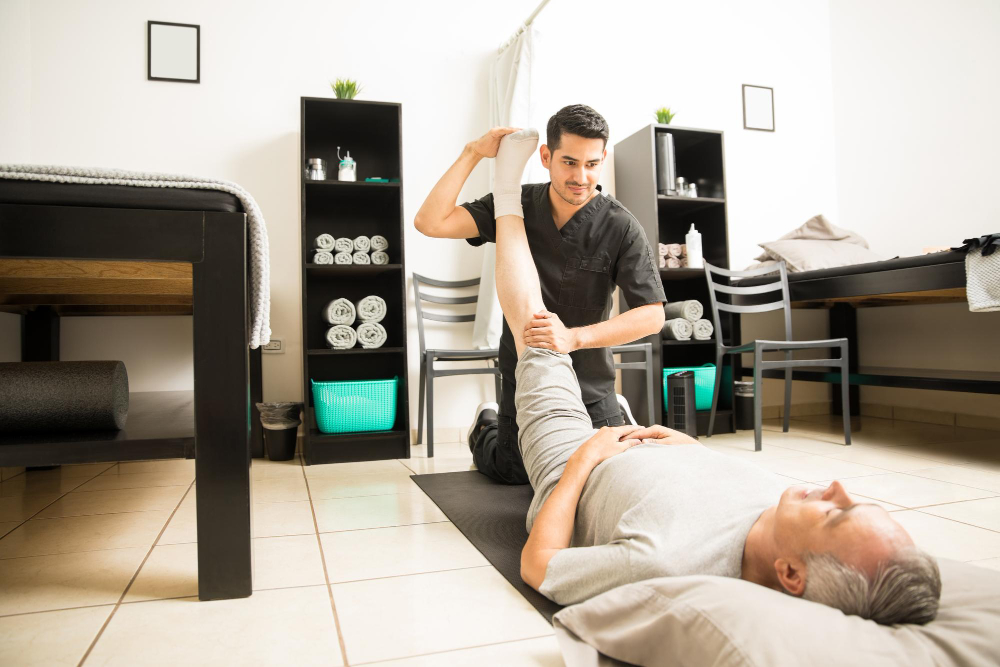
Stroke rehabilitation is a key part of recovery after a stroke. It helps people regain movement and daily skills. Often, physiotherapy plays a big role in this process. With the right support, many stroke survivors can improve their quality of life. In fact, stroke rehabilitation focuses on restoring mobility and daily function. This blog explains how physiotherapy for stroke patients can make a difference.
What Is Stroke Rehabilitation?
Stroke rehabilitation is a program that helps people recover after a stroke. It includes different therapies and support. For example, physiotherapy, speech therapy, and occupational therapy are often used. The main goal is to help people regain lost skills. Because every stroke is different, each plan is unique. According to the World Health Organization (WHO), early rehab can improve outcomes and reduce disability.
Common Effects of Stroke on Mobility and Daily Function
After a stroke, many people face changes in how they move and do daily tasks. These changes can make life harder. However, understanding these effects helps guide treatment. Common problems include:
Because these issues affect daily life, stroke rehabilitation is important for regaining daily function after stroke.
How Physiotherapy Supports Recovery After Stroke
Physiotherapy for stroke patients is a key part of recovery. It helps people relearn how to move safely. For instance, physiotherapists teach stroke recovery exercises that target weak muscles. They also show how to improve balance and walking. Over time, these exercises can help restore mobility and confidence. In addition, physiotherapy helps prevent further problems, such as joint stiffness or falls. The Centers for Disease Control and Prevention (CDC) notes that early rehab can speed up recovery.
Key Physiotherapy Techniques Used in Stroke Rehabilitation
Physiotherapists use many techniques to help stroke survivors. Each method is chosen based on the person’s needs. Some common techniques include:
Because every person is different, therapists adjust these methods as recovery continues. Many clinics offer these services, but access may depend on your location.
Setting Realistic Goals and Measuring Progress
Setting clear goals helps guide stroke rehabilitation. For example, a goal might be walking across a room or dressing without help. Therapists work with patients to set these targets. They also track progress over time. This way, everyone can see what is working. If needed, goals are adjusted to fit new needs. According to research, having goals helps keep people motivated during recovery.
Tips for Supporting Recovery at Home
Home support is important for improving mobility after stroke. Even small changes can help. Here are some tips for supporting recovery at home:
Because recovery takes time, patience and support are key. Always follow your therapist’s advice for the best results.
Preventing Further Complications After Stroke
After a stroke, preventing more problems is very important. Physiotherapy helps lower the risk of future issues. For example, regular movement can stop joint stiffness and muscle loss. In addition, stroke recovery exercises help improve heart health. The CDC recommends staying active and following medical advice. If you notice new problems, tell your healthcare team right away. Access to local physiotherapy services may also help prevent complications and support long-term health.
Conclusion
If you or a loved one is recovering from a stroke, Dr. Ashok Veerasamy and our team are here to help. Book a consultation today to learn how our stroke rehabilitation services can support your recovery journey.